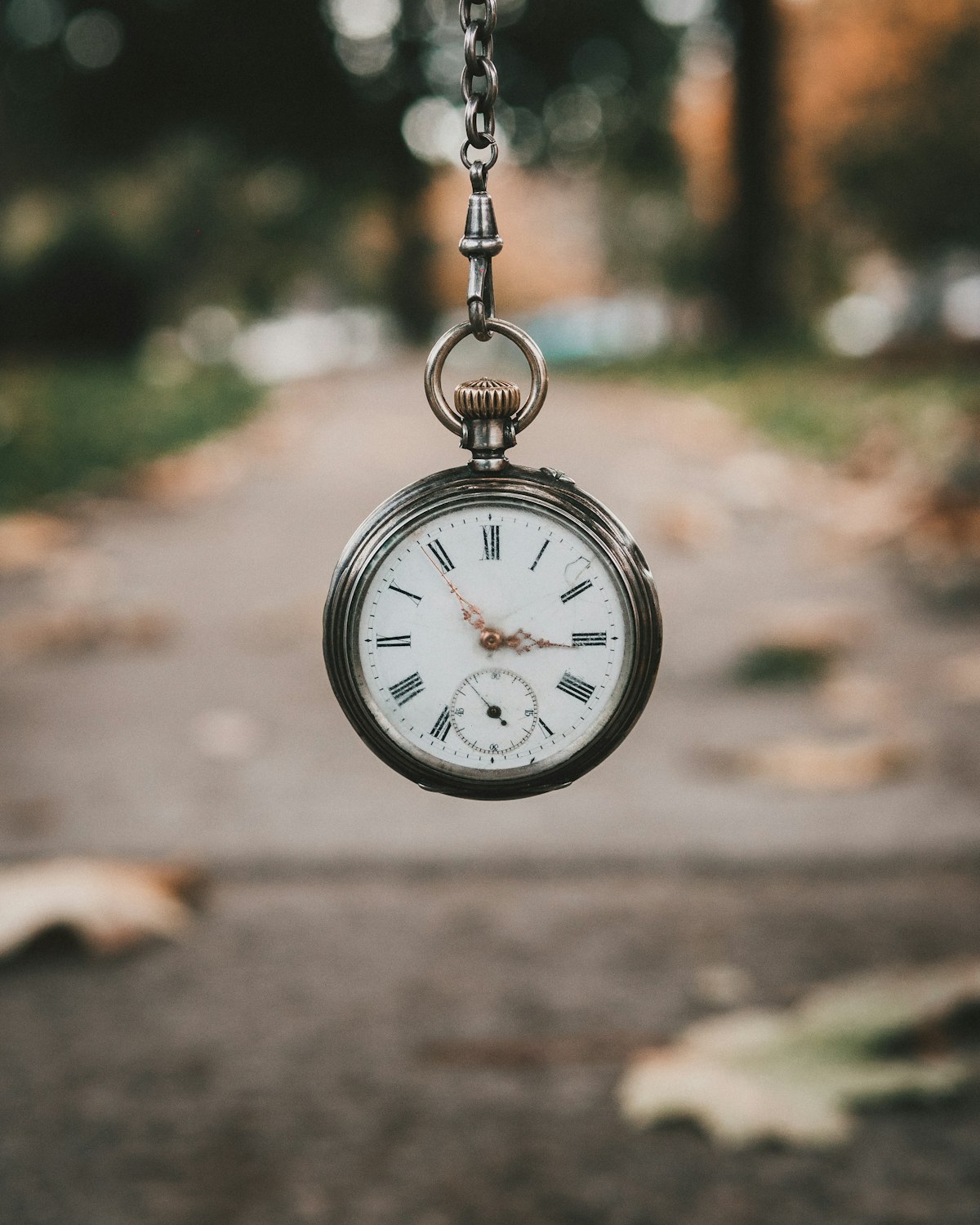
When Do the Clocks Go Forward?
The clocks will spring forward by one hour at 1:00 AM on Sunday, March 29, 2026, marking the beginning of British Summer Time (BST). This means 1:00 AM will become 2:00 AM, and the UK will move from Greenwich Mean Time (GMT) to BST (GMT+1). In practical terms, you'll lose an hour of sleep tonight, but gain an extra hour of daylight in the evening.
Why Do We Still Change the Clocks?
The practice of changing clocks dates back to 1916, when it was introduced across Europe to conserve energy during World War I. The idea was that by aligning waking hours more closely with available daylight, less artificial lighting — and therefore less coal — would be needed. While the energy-saving argument has weakened with modern technology, the practice continues primarily for the benefit of having lighter evenings during the spring and summer months.
The European Parliament voted to abolish the clock change in 2019, but the decision was delayed and has yet to be fully implemented across all member states. Post-Brexit Britain retains its own timekeeping schedule, and there are no current government plans to abolish the biannual change.
Tips for Adjusting to the Time Change
Sleep experts recommend gradually adjusting your bedtime by 15-20 minutes over the days leading up to the clock change. Exposure to natural light in the morning can help reset your circadian rhythm, while limiting screen time before bed and maintaining a consistent sleep schedule will ease the transition. Most people fully adjust within 2-3 days of the change.