The Rise of the No Kings Movement
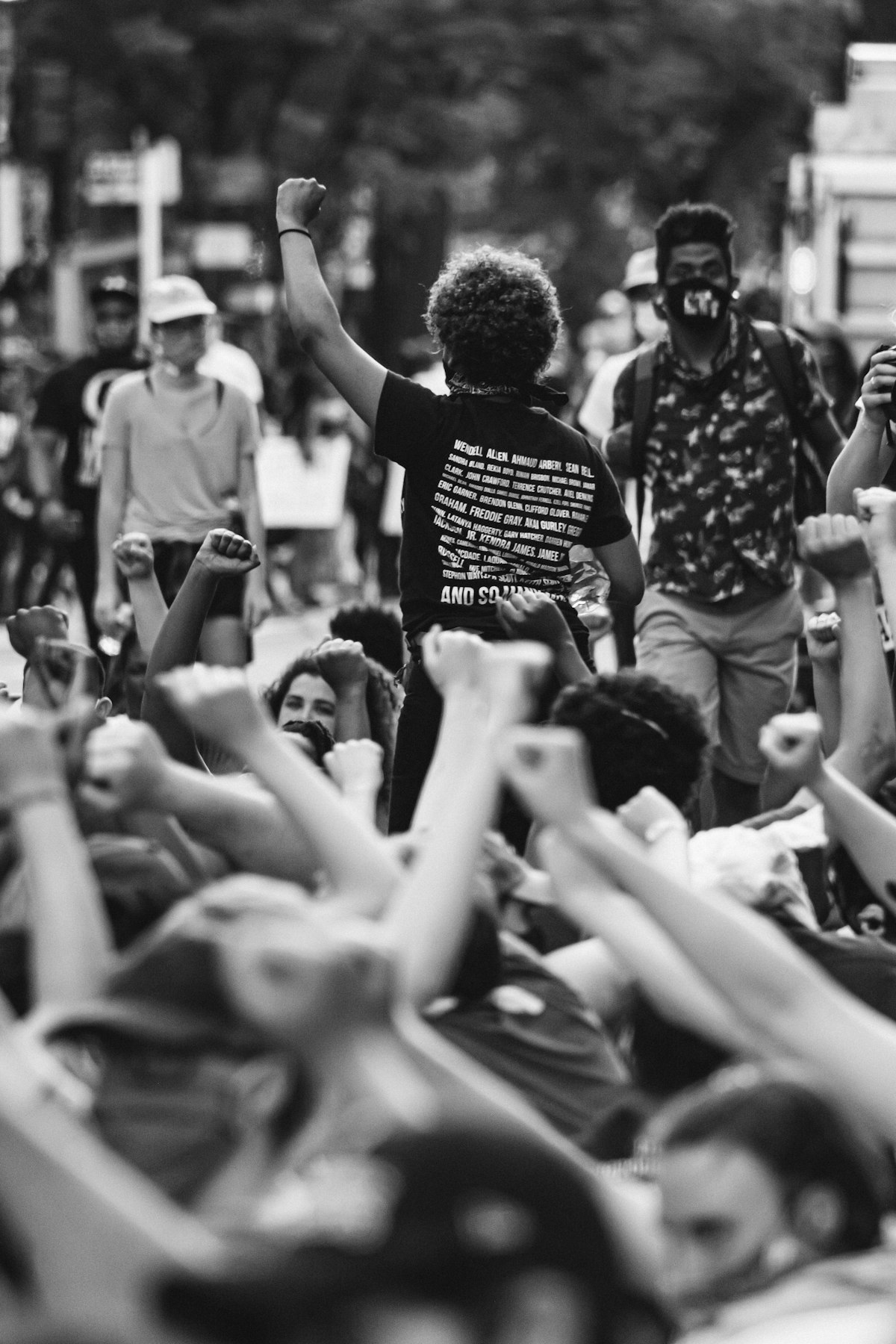
The 'No Kings' protest movement has swept across the United States in a wave of civic activism not seen in recent memory. Organizers report that demonstrations have taken place in every state capital, with particularly large turnouts in Washington D.C., New York City, Los Angeles, Chicago, and Houston. The movement's name references fundamental principles of democratic governance and the rejection of unchecked executive authority.
What began as a series of scattered protests in early 2026 has coalesced into a national movement with clear organizational structure and defined policy demands. Social media has played a crucial role in coordination, with hashtags related to the movement trending consistently across all major platforms.
Key Demands of the Movement
Protest organizers have articulated several core demands centered on democratic reform, governmental transparency, and the preservation of institutional checks and balances. Participants come from across the political spectrum, united by concerns about executive overreach and the erosion of democratic norms.
The movement has drawn support from a diverse coalition including civil liberties organizations, labor unions, faith communities, and grassroots activist groups. Legal scholars and constitutional experts have also lent their voices, framing the protests within the broader context of American democratic tradition.
Impact and Response
The protests have already had a significant impact on the national political conversation. Several members of Congress have publicly expressed support for the movement's aims, while others have cautioned against what they see as an overly confrontational approach. Law enforcement agencies in major cities have largely facilitated peaceful demonstrations, with relatively few incidents reported.
Analysts note that the movement's ability to sustain participation and translate public pressure into policy change will determine its long-term significance. Organizers have announced plans for continued demonstrations and voter registration drives in the months ahead.