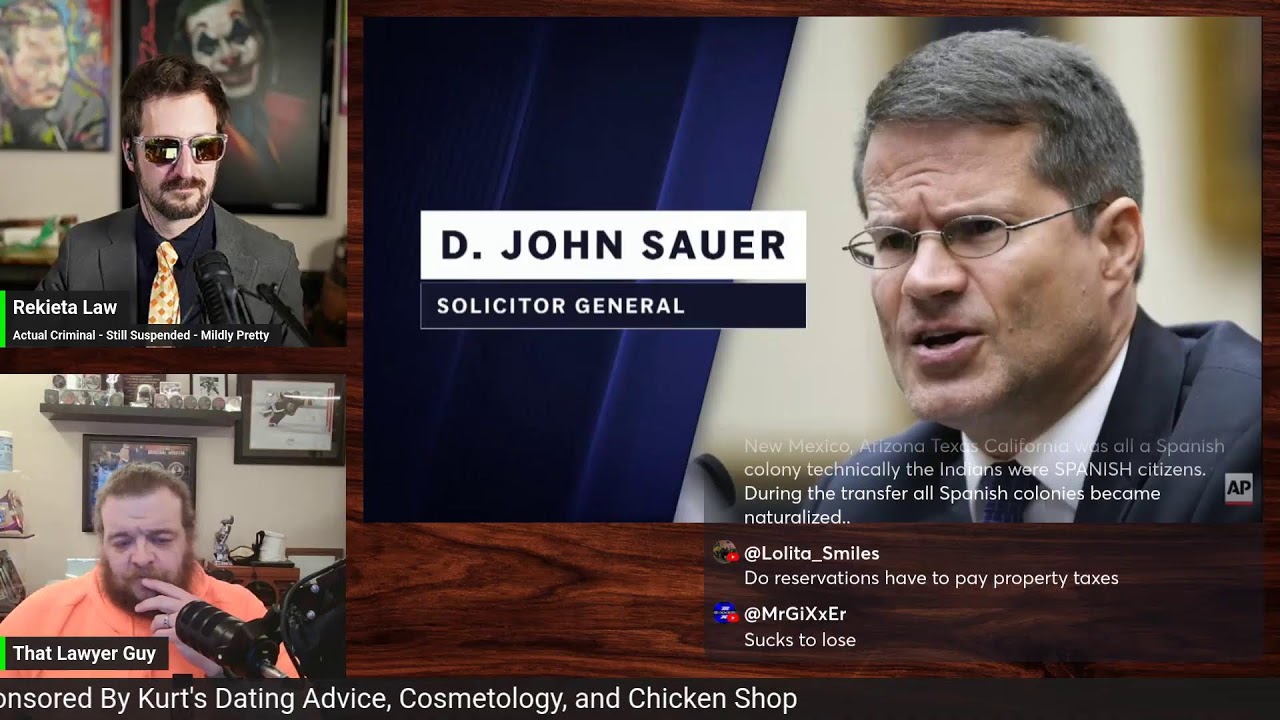
The United States Supreme Court heard oral arguments on April 1, 2026, in Trump v. Barbara, a case that could fundamentally reshape who qualifies for American citizenship at birth. The case challenges an executive order signed by President Donald Trump on January 20, 2025, which sought to deny citizenship to children born in the U.S. to parents without permanent legal status.
What the Executive Order Sought to Do
The executive order, issued on Trump's first day back in office, attempted to reinterpret the 14th Amendment's citizenship clause. Under the order, children born to undocumented immigrants or parents on temporary visas would no longer automatically receive U.S. citizenship — a break from more than 150 years of legal precedent established by the amendment ratified in 1868.
Multiple lower courts immediately blocked the order, ruling that it conflicted with the plain text of the 14th Amendment, which states: "All persons born or naturalized in the United States, and subject to the jurisdiction thereof, are citizens of the United States." The executive order has remained enjoined since it was first issued.
What Happened in Court
During Tuesday's oral arguments — which President Trump personally attended — the justices appeared skeptical of the administration's legal theory. Several justices, including those appointed by Republican presidents, questioned whether the executive branch had the authority to redefine citizenship through executive action rather than a constitutional amendment.
The administration argued that the phrase "subject to the jurisdiction thereof" was originally understood to exclude children of foreign nationals who owe allegiance to another country. Opponents, including the ACLU and a coalition of 20 state attorneys general, countered that the Supreme Court settled this question in the 1898 case United States v. Wong Kim Ark, which affirmed birthright citizenship for children born on American soil regardless of their parents' status.
What Comes Next
A final decision from the Supreme Court is expected by the end of June or early July 2026. Legal scholars across the political spectrum have noted that a ruling in favor of the administration would affect an estimated 150,000 children born in the United States each year and could trigger a constitutional crisis over the scope of executive power.
The case has generated intense public interest, with "birthright citizenship" and "Supreme Court" trending in the top three search terms in the United States throughout the day.